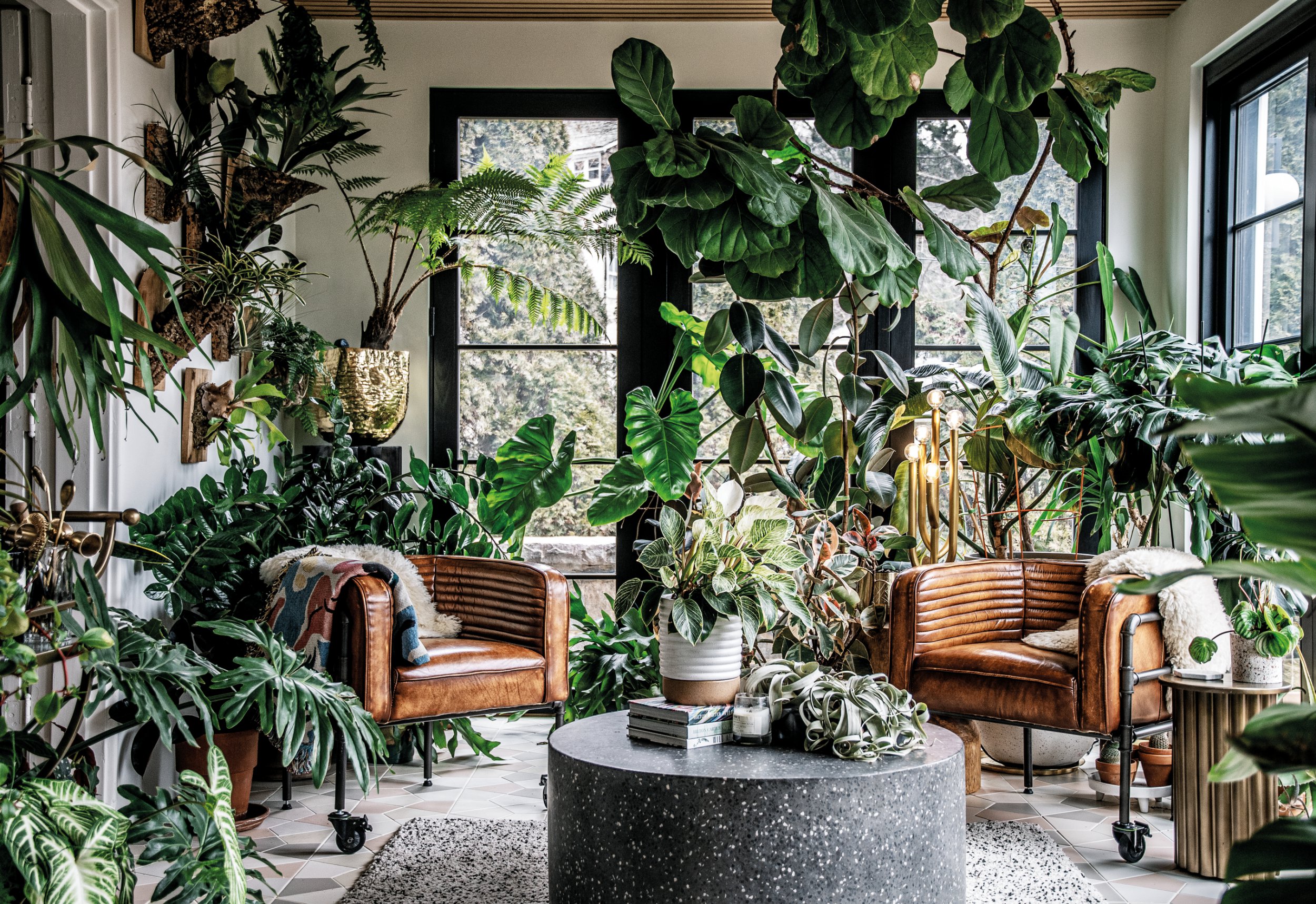
Biophilic Design Is Not a Luxury
One of the most persistent misconceptions about biophilic design is that it requires a significant budget — that living walls, natural stone, and designer furniture are prerequisites for a nature-connected home. This is simply not true.
The most powerful biophilic elements — plants, natural light, natural materials, and organic forms — are accessible at almost any budget. A single houseplant costs as little as £5–£10. A mirror to amplify natural light costs £20–£50. A linen cushion cover costs £15–£25. These small changes, thoughtfully applied, can transform the atmosphere of a room.
This guide presents 20 high-impact biophilic changes, most under £50, that will meaningfully improve the nature connection of your home.
20 High-Impact Biophilic Changes Under £50
Plants (£5–£30 each)
1. One large statement plant. A single large plant — a monstera, snake plant, or bird of paradise — makes more biophilic impact than ten small ones. Look for large plants at garden centres, supermarkets, or on Facebook Marketplace (where people often sell healthy plants cheaply when moving house). Budget: £15–£40.
2. Propagate from cuttings. Many popular houseplants — pothos, spider plants, heartleaf philodendron — can be propagated from cuttings placed in water. Ask friends, family, or local plant swap groups for cuttings. Budget: £0.
3. A windowsill herb garden. Three terracotta pots of herbs (basil, mint, chives) on a kitchen windowsill costs under £15 and provides fresh ingredients, natural fragrance, and daily connection with growing things. Budget: £10–£15.
4. Trailing plants on high shelves. Pothos or heartleaf philodendron trailing from a high shelf adds lush, cascading greenery without taking up floor space. Budget: £8–£15.
Natural Light (£0–£50)
5. Remove heavy curtains. Replacing heavy curtains with sheer linen panels or removing window treatments entirely (if privacy allows) can dramatically increase natural light. Budget: £0 (if removing) or £20–£50 for sheer panels.
6. Clean your windows. Dirty windows can reduce light transmission by 20–30%. A thorough window clean inside and out costs nothing but time. Budget: £0.
7. Reposition a mirror. Moving a mirror to face a window bounces light deeper into the room. Most people already own a mirror — it's just a matter of repositioning it. Budget: £0.
8. Move furniture away from windows. Tall furniture blocking windows prevents light from travelling into the room. Rearranging furniture costs nothing. Budget: £0.
Natural Materials (£5–£50)
9. Swap plastic plant pots for terracotta. Terracotta pots cost £2–£8 each and immediately elevate the biophilic quality of any plant display. They also improve plant health by allowing soil to breathe. Budget: £5–£20.
10. Add a linen cushion cover. Replacing synthetic cushion covers with linen or cotton alternatives adds natural texture and warmth. Look for linen cushion covers at H&M Home, IKEA, or charity shops. Budget: £10–£25.
11. A jute or sisal rug. Natural fibre rugs add warmth, texture, and a connection to natural materials. IKEA's LOHALS jute rug costs under £30. Budget: £25–£50.
12. Timber accessories. A wooden chopping board, wooden salad bowl, or timber tray on a coffee table adds natural material texture at minimal cost. Budget: £10–£30.
13. Wicker or rattan baskets. Replace plastic storage boxes with wicker or rattan baskets. They're more attractive, more sustainable, and add natural texture to any room. Budget: £8–£25.
Nature Imagery and Pattern (£0–£50)
14. Botanical prints. Framed botanical prints — vintage illustrations of plants, flowers, or leaves — add nature imagery to walls at minimal cost. Download free vintage botanical illustrations from the Biodiversity Heritage Library (biodiversitylibrary.org) and print them at a local print shop. Budget: £5–£20.
15. Nature photography. Print your own nature photographs (or download free ones from Unsplash) and frame them. A gallery wall of nature images creates a strong biophilic atmosphere. Budget: £10–£30.
16. Leaf-pattern textiles. Cushions, throws, or tea towels with botanical or leaf patterns add nature imagery to a space without requiring real plants. Budget: £10–£30.
Sensory Elements (£5–£50)
17. A tabletop fountain. A small tabletop fountain provides the sound and movement of water — one of the most powerful biophilic elements. Basic models start at around £20–£30. Budget: £20–£50.
18. Beeswax or soy candles. Natural candles provide warm, flickering light and natural fragrance. Choose scents that reference nature: cedarwood, sandalwood, eucalyptus, or lavender. Budget: £8–£20.
19. An essential oil diffuser. A diffuser with lavender, eucalyptus, or cedarwood essential oil adds the olfactory dimension of nature connection to any room. Budget: £15–£30.
20. Open windows. The simplest and most powerful biophilic intervention of all: open your windows to let in fresh air, natural sounds, and the smell of the outdoors. Budget: £0.
Prioritising Your Budget
If you can only make one change, make it plants. A single large, healthy plant in a room you spend significant time in will deliver more biophilic benefit than any other single change at any price point.
If you have £50 to spend, combine a large plant (£20–£30) with a terracotta pot (£5–£8) and a linen cushion cover (£15–£20). This combination of living nature, natural materials, and natural texture will transform the atmosphere of any room.
Use our free Biophilic Score Calculator to assess your home's current biophilic score and identify the highest-impact improvements for your specific situation.
Frequently Asked Questions
What is the single most impactful biophilic change I can make? Adding a large living plant to the room where you spend the most time. Research consistently shows that even a single plant reduces stress, improves mood, and enhances the biophilic quality of a space.
Can I do biophilic design in a rental? Absolutely. Plants, natural accessories, and rearranging furniture for better light are all renter-friendly biophilic interventions. Avoid making structural changes (like installing a living wall on a wall) without landlord permission.
Where should I start with biophilic design on a budget? Start with the room where you spend the most time — usually the living room or home office. Add one large plant, maximise natural light, and introduce one or two natural material accessories. Then use our Biophilic Score Calculator to identify your next highest-impact improvement.